Food safety, biosecurity, and workplace health risks in the agriculture and abattoir industry extend beyond individual farms or facilities, affecting the entire food supply chain and public health. Employees in this sector work directly with livestock, raw food products, machinery, chemicals, and biological hazards, making occupational health medicals essential for compliance and risk management.
Occupational health medicals in agriculture and abattoirs are not only a legal requirement under the Occupational Health & Safety Act, but also a critical safeguard for employees, consumers, and business operations. From farming and animal handling to slaughtering, processing, and packaging, employee health and fitness for work play a key role in preventing contamination, workplace injuries, and occupational disease.
Employee health has a direct impact on food quality, safety, and productivity. Regular occupational health medical surveillance and examinations help ensure employees are medically fit for their specific job roles — both before employment and throughout their employment, as well as upon exit. To support a risk-based and compliant medical assessment, the Employer must complete a Man Job Spec Form, detailing the employee’s job-related hazards and exposures, and submit it together with the Employee/ Patient at the time of the occupational health medical examination.

Download the Agriculture, Abattoir or Wine-Making Occupational Health Guide now to learn more about the occupational health risks, recommended medical surveillance, biological monitoring, and essential Critical Personal Protective Equipment (PPE) for each abattoir/ agriculture or wine-making-related role.

Industry regulations that determine which medicals to complete include:
- Occupational Health and Safety Act, 1993 (Act 85 of 1993)
- Hazardous Chemical Agents Regulations (2021)
- Hazardous Biological Agents Regulations (2001)
- Noise-Induced Hearing Loss Regulations (2003)
- Driven Machinery Regulations (2015)
- The COID Act (Compensation for Occupational Injuries and Diseases)
- Fertilisers, Farm Feeds, Agricultural Remedies and Stock Remedies Act (Act 36 of 1947)
- Meat Safety Act, 2000 (Act No. 40 of 2000)
- General Hygiene Regulations for Food Premises (R638 of 2018)
- Foodstuffs, Cosmetics, and Disinfectants Act (1972)
- ISO 22000 & HACCP
- Export Standards (DAFF, EU, USA, Asia)
Strict occupational health and safety regulations apply throughout the agricultural industry, encompassing poultry and wine farms, as well as abattoirs. Many diseases must be reported to the relevant authorities because the health and safety risks are numerous and potentially far-reaching.
Beyond the abattoir, farm workers involved in the production of animal products or field crops face numerous occupational health hazards. These include:
- Being exposed to animals that can transmit diseases such as avian flu, ringworm and bovine tuberculosis.
- Grain dust exposure in silos can lead to respiratory illnesses such as asthma and allergies.
- Pesticide exposure, which affects handlers, harvesters and anyone working near a recently sprayed field.
- Musculoskeletal injuries because of repetitive or forceful movement, heavy lifting, prolonged awkward postures and vibration.
- Hearing loss because of noise exposure (think tractors, harvesters, chainsaws, squealing pigs).
- Heat or cold stress from working long hours in extreme temperatures.
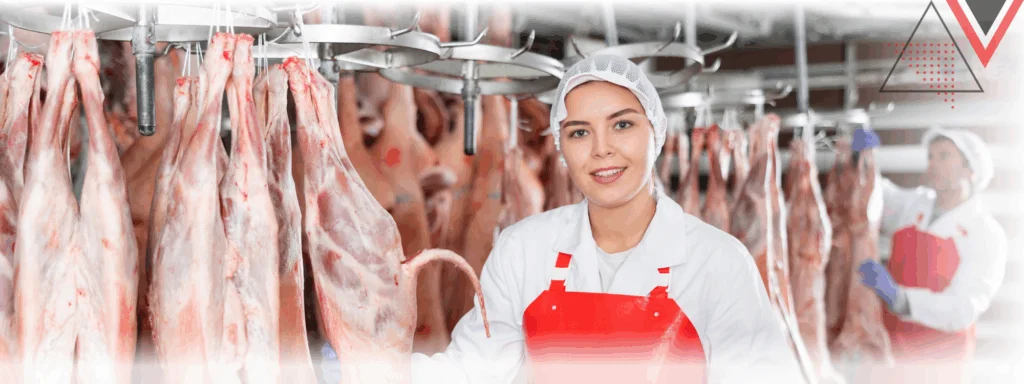
This means employees must take their workers’ health and safety medicals very seriously. In abattoirs, for example, any worker who handles chicken or red meat must be medically certified fit to work before entering the workplace. This requirement falls under a legally mandated Hygiene Management Programme (HMP) that every abattoir owner is required to implement.
It focuses on both personal hygiene and medical fitness of workers, as either can have a profound impact on food health and safety. Abattoir owners must maintain documentary proof of their adherence to the HMP, including workers’ medical certification that they were fit to work with meat and edible products before their employment.
Farm and abattoir workers, depending on their risk exposure, could require pre-employment, periodical/annual, and exit medicals. These should entail a complete medical examination with biological monitoring. Certain vaccinations, lung function tests and chest X-rays may also be required.
By law, agricultural or abattoir workers fall into three categories, all requiring a medical certificate of fitness:
- General – limited risk exposure to dust, noise or hazardous chemicals.
- Risk-Based – risk of foodborne infections (dairy, meat, seafood, fermentation industries).
- Operator – operators/ drivers of agricultural equipment, including forklifts and tractors.
The following chart shows the tests that are completed for each category:
| General | Risk-Based | Operator | |
|---|---|---|---|
|
Baseline Questionnaire (medical and family history) |
|
|
|
|
Weight |
|
|
|
|
Height |
|
|
|
|
Blood Pressure |
|
|
|
|
Urine |
|
|
|
|
Glucose |
|
|
|
|
Audio Screening |
|
|
|
|
Spirometer / Lung Function |
|
|
|
|
Snellen Eye |
|
|
|
|
Keystone Eye |
|
|
|
|
Tuberculosis Questionnaire |
|
|
|
|
Biological Monitoring (additional cost) |
|
|
|
|
Multi-Drug Strip (additional cost) |
|
|
|
Agriculture & Abattoir Medicals South Africa
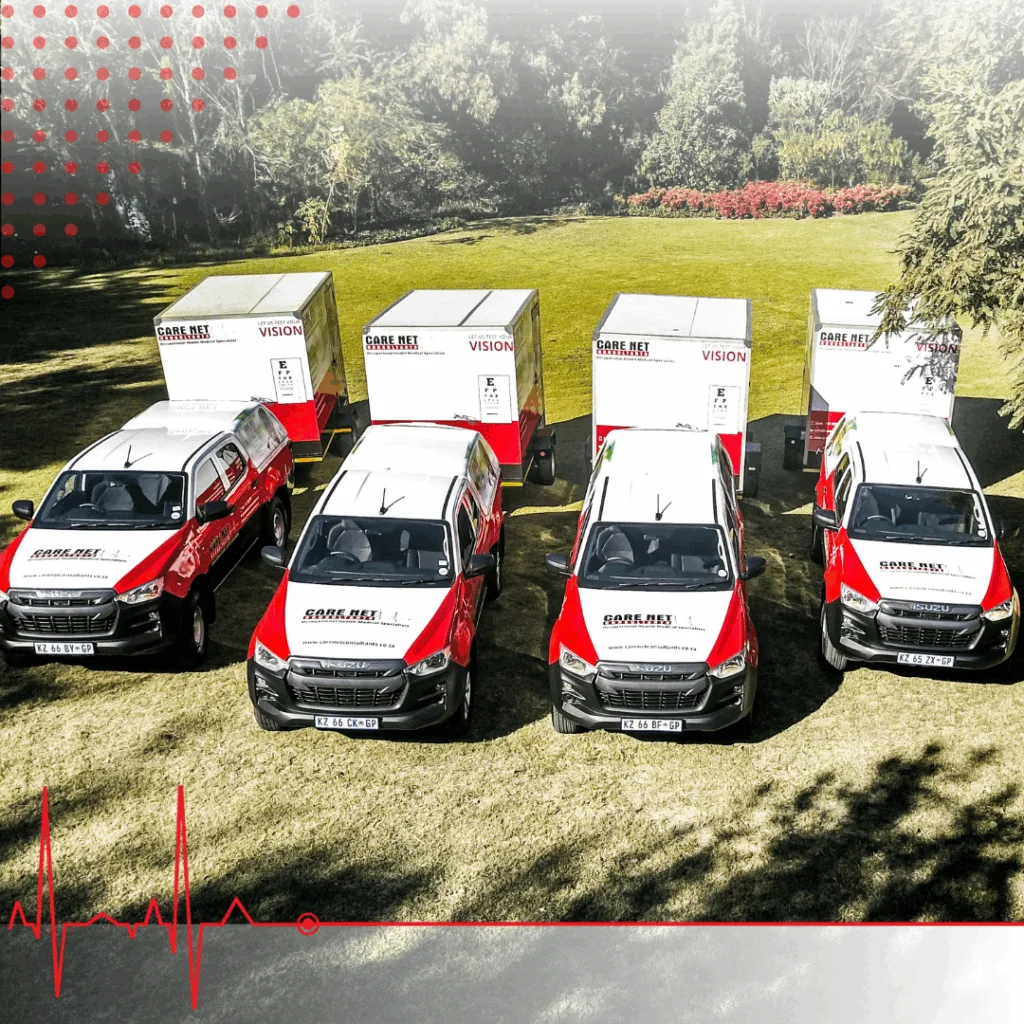
Each clinic offers state-of-the-art technology to carry out Occupational Health services effectively.