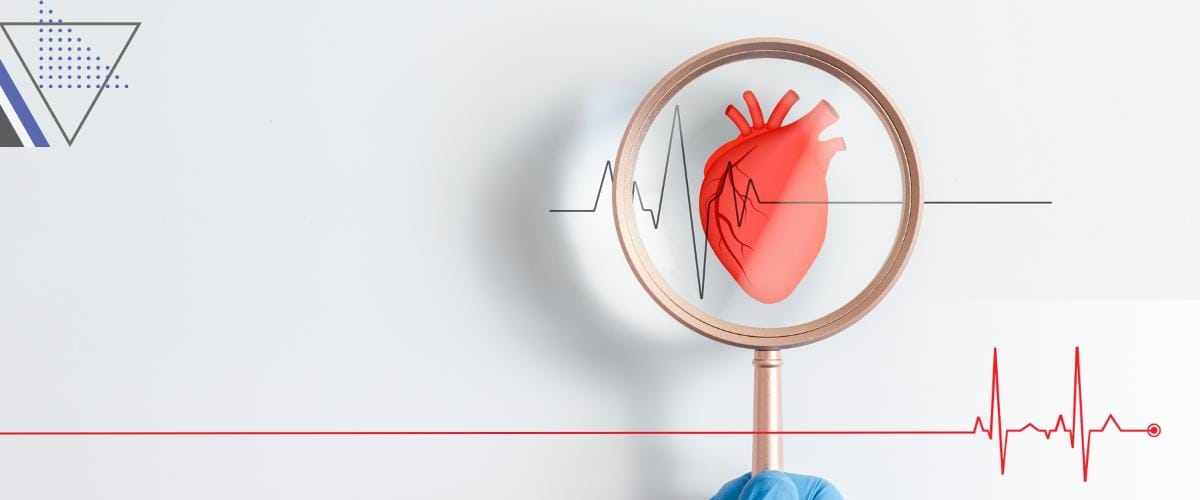
World Heart Rhythm Week is an annual awareness week that focuses on detecting arrhythmias (irregular heart rhythms). World Heart Rhythm Week (7–13 June) is a vital reminder that our hearts need just as much attention as any other part of our health, especially in the workplace.
Many people live with arrhythmias, irregular heart rhythms, without knowing it. While some arrhythmias are harmless, others can lead to serious complications such as stroke or heart failure if left undetected.
What is an arrhythmia?
An arrhythmia is when the heart beats too fast, too slow, or irregularly. It’s related to the electrical activity that controls your heartbeat. Your heart’s rhythm is controlled by electrical impulses, and when these signals don’t fire correctly, it can lead to an abnormal rhythm.
You might feel this as:
• A fluttering or pounding in your chest (palpitations)
• Light-headedness or dizziness
• Fatigue or shortness of breath
Sometimes, there are no symptoms at all, which is why regular screenings matter, especially if you’re in a high-risk job or have a family history of heart issues.
It is different to high blood pressure which is the force or pressure of your blood against your artery walls that is consistently too high.
Arrhythmia is your heart’s rhythm.
Why do people get arrhythmias?
Arrhythmias can be caused by:
• Heart disease or high blood pressure
• Stress or anxiety
• Excessive caffeine or alcohol
• Certain medications or stimulants
• Smoking
• A history of heart attacks
Can work affect your heart rhythm?
Absolutely. Workplace stress, fatigue, exposure to noise or chemicals, and physically demanding tasks can increase your risk especially in high-risk industries like construction, mining, manufacturing, and logistics.
Long hours, missed breaks, poor sleep, or a lack of movement can all strain your heart over time.
How to protect your heart at work
Here’s what you can do to reduce your risk of arrhythmias:
✔️ Know your pulse. Learn how to check it regularly.
✔️ Stay active. Even short walks during breaks help.
✔️ Manage stress. Breathe deeply, stretch, or speak to someone.
✔️ Avoid stimulants. Too much caffeine or energy drinks can trigger irregular rhythms.
✔️ Get screened. Include heart checks in your occupational health medicals.
We are here to help
At Care Net Consultants, we include pulse and blood pressure checks as part of our occupational health screenings to help safeguard workers across South Africa’s industries. With qualified staff, mobile clinics, and digital records via My Clinic Online, we make it easy for your workforce to stay informed and protected.
Let’s keep the heart of South Africa’s workforce beating strong. Book your workplace check-up today.