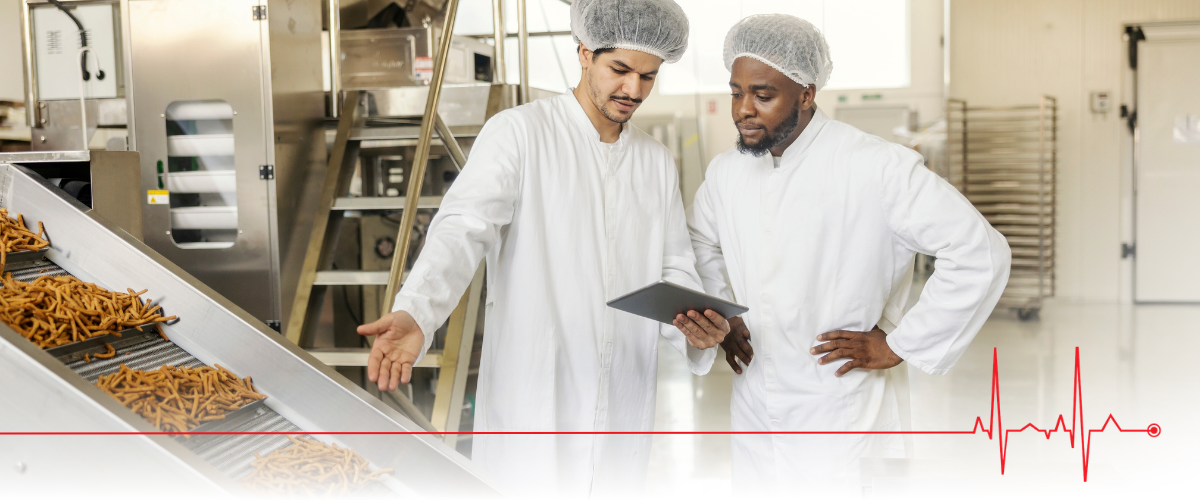
The food handling industry plays a critical role in South Africa’s food security, public health, and export economy. From processing plants and production lines to cold storage and distribution facilities, every product that reaches a consumer passes through the hands of workers exposed to biological, chemical, physical, and ergonomic risks. Protecting these employees is not only a moral responsibility — it is a legal and operational imperative.
Under the Occupational Health and Safety Act, 1993 (OHSA), employers in food processing and handling are legally required to identify workplace hazards, conduct risk assessments, and implement Medical Surveillance when occupational risks exist. This responsibility is reinforced by regulations governing hazardous biological agents, hazardous chemical agents, food hygiene standards, and international frameworks such as HACCP and ISO 22000.
The Hidden Risks Behind Food Production
Food handlers face daily exposure to risks that can affect both worker health and food safety. These include biological hazards such as Salmonella, Listeria, E. coli, and Hepatitis A; chemical exposure from cleaning agents, sanitisers, preservatives, and refrigeration gases like ammonia; physical hazards such as sharp tools, hot surfaces, slippery floors, and noise; and ergonomic strain from repetitive tasks, prolonged standing, and manual handling.
Without structured health monitoring, these exposures can lead to dermatitis, respiratory illness, hearing loss, musculoskeletal injuries, fatigue, and infectious disease outbreaks — all of which threaten productivity, compliance, and consumer safety.
What Is Medical Surveillance and Why It Matters
Medical surveillance is a structured, ongoing system of health monitoring designed to detect early signs of occupational illness and confirm fitness for duty. In the food-handling environment, surveillance protects both employees and consumers by identifying health risks before they lead to contamination, absenteeism, or costly production disruptions.
A compliant medical surveillance programme includes baseline medicals before placement, periodic and risk-based assessments aligned with specific job exposures, and ad hoc medicals following incidents such as chemical spills, disease outbreaks, or heat stress events. Employers must also complete a Man Job Spec Form for each role to ensure medical assessments are relevant, risk-based, and legally defensible.
The Business Value of Compliance
Medical surveillance is not only about meeting legal requirements — it is a strategic investment in operational resilience. Early detection of illness reduces sick leave, prevents disease spread, and supports consistent output during peak production periods. It also minimises COIDA claims, legal liability, and the risk of costly product recalls or export bans.
For food businesses supplying retailers or export markets, alignment with HACCP and ISO 22000 is essential. A healthy, monitored workforce strengthens audit outcomes, protects certification status, and reinforces trust with regulators, buyers, and consumers.
Protect Your Workforce and Your Supply Chain
A well-implemented medical surveillance programme safeguards employee wellbeing, protects food safety, and supports sustainable productivity. Whether you operate a bakery, abattoir, dairy, beverage plant, or industrial food packaging facility, understanding and applying the correct surveillance requirements is critical.
📘 Download the Food Handling Occupational Health Guide to access a practical, role-specific framework covering legal requirements, medical surveillance categories, biological monitoring, and PPE — and ensure your operation remains compliant, safe, and trusted.
Care Net Consultants is Your Partner In Workplace Health — helping food handling businesses build compliant, healthy, and resilient teams. Book your team’s occupational medicals with Care Net Consultants today.