
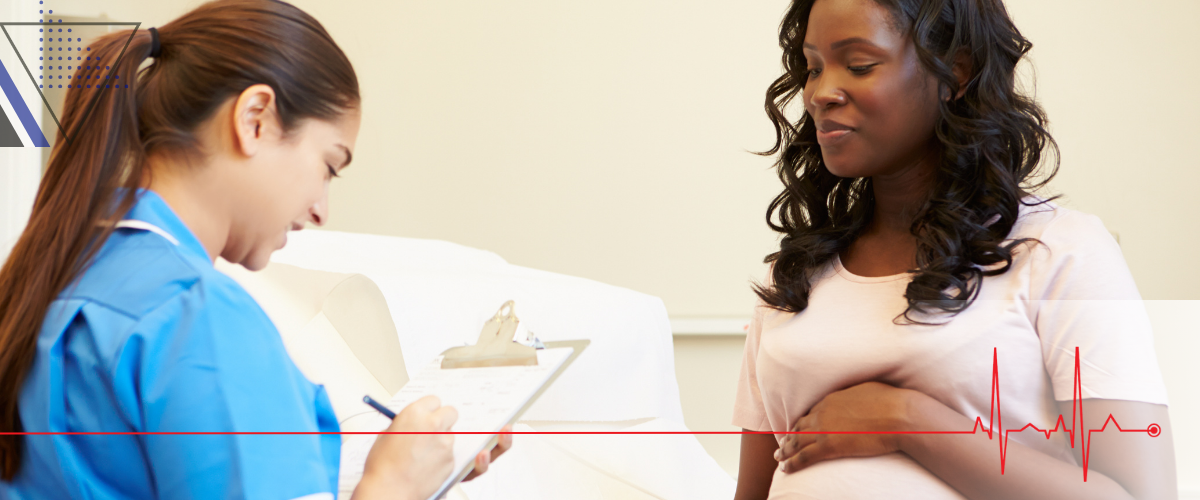
Pregnancy is a transformative journey — physically, emotionally, and mentally. In the workplace, it’s vital to recognise that expecting employees, especially those with high-risk pregnancies, face unique challenges that may impact both their health and the well-being of their unborn child. Employers have a legal and ethical responsibility to support these individuals through safe, inclusive, and medically guided practices.
Understanding the Health Risks
Pregnant employees, particularly those with high-risk pregnancies, are more vulnerable to specific physical and environmental hazards. These include:
- Hormonal changes: These may affect balance, mood, fatigue, and concentration — increasing the risk of falls or workplace stress.
- Blood pressure fluctuations: Preeclampsia can emerge or worsen under physical strain or high-stress environments.
- Glucose level challenges: Pregnancy increases the risk of gestational diabetes, which requires careful monitoring of diet, activity, and work hours.
- Hearing sensitivity or loss: Hormonal shifts and fluid retention can affect hearing, especially in noisy or high-decibel environments.
- Reduced lung function: Pregnant women may struggle in areas with poor ventilation or exposure to respiratory irritants (common in manufacturing or cleaning sectors).
- Vision changes: Hormonal shifts or blood pressure changes can trigger blurred vision, light sensitivity, or temporary visual disturbances.
These risks require tailored health surveillance to ensure employees are medically fit to work, and that their environments do not compromise their safety or that of their baby.
Building a Pregnancy-Friendly Workplace
Creating a pregnancy-supportive workplace is not only compassionate — it’s required by law. The South African Employment Act and the Occupational Health and Safety Act (OHSA) 1993 set clear guidelines.
Under the Basic Conditions of Employment Act (BCEA):
- Pregnant employees are entitled to 4 consecutive months of maternity leave.
- Employers must offer reasonable accommodation during pregnancy (including modified duties or work hours where necessary).
Under the OHSA, employers must:
- Identify and mitigate health risks specific to pregnant employees.
- Avoid assigning duties that expose pregnant workers to harmful substances, excessive noise, prolonged standing, or extreme temperatures.
- Conduct regular occupational health assessments to ensure ongoing fitness for duty based on workplace risks. Remember that the expectant mother must have regular pregnancy checks with her preferred gynaecologist in her capacity.
How Care Net Consultants Can Help
At Care Net Consultants, we partner with organisations to support employees through professional medical surveillance, ensuring workplace health risks during an employee’s pregnancy are identified early and managed compassionately. We offer:
- Pre-employment and periodic medicals tailored to high-risk conditions
- Electronic medical records through My Clinic Online to track health trends across the workforce
- Mobile clinics for on-site screenings, reducing time away from work
Creating a safe space for pregnant workers is not just good practice — it’s smart, compliant, and human.
Book your next occupational health check with Care Net Consultants today.