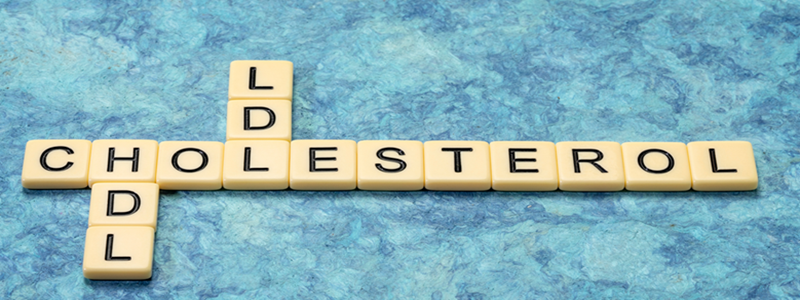
Understanding High Cholesterol: The Basics
High cholesterol is a common health condition that can significantly impact overall well-being. Understanding cholesterol, its types, and how it affects the body is the first step toward managing and improving heart health.
What is Cholesterol?
Cholesterol is a waxy, fat-like substance found in every cell of your body. Your body needs cholesterol to make hormones, vitamin D, and substances that help you digest foods. Your liver produces all the cholesterol your body needs. However, cholesterol is also found in animal food, such as meat, poultry, and full-fat dairy products.
Types of Cholesterol
Cholesterol travels through your bloodstream in small packages called lipoproteins, made of fat (lipids) on the inside and proteins on the outside. The two main types of lipoproteins are:
Low-Density Lipoprotein (LDL): Often called “bad” cholesterol, LDL carries cholesterol from your liver to the cells that need it. If your body has too much LDL cholesterol, it can build up in the walls of your arteries, forming plaque. Plaque can narrow your arteries, making it harder for blood to flow through. This condition is known as atherosclerosis and can lead to heart disease, heart attacks, and strokes.
High-Density Lipoprotein (HDL): Known as “good” cholesterol, HDL carries cholesterol from other parts of your body back to your liver, which removes the cholesterol from your body. Higher levels of HDL cholesterol can reduce your risk of heart disease.
Why High Cholesterol Matters
When you have high cholesterol, it means you have too much LDL cholesterol in your blood. This condition can silently progress without symptoms, so many people are unaware they have high cholesterol until they develop serious complications such as heart disease or stroke. That’s why regular screening and understanding your cholesterol levels are vital.
Cholesterol Levels
Your cholesterol levels are measured with a blood test called a lipid panel. The test provides four key numbers:
- Total Cholesterol: The sum of your blood’s cholesterol content.
- LDL Cholesterol: Should be low. The ideal level is below 100 mg/dL.
- HDL Cholesterol: Should be high. The ideal level is 60 mg/dL or higher.
- Triglycerides: Another type of fat in the blood. Levels should be below 150 mg/dL.
Interpreting these numbers and their implications can help you manage your cholesterol proactively.
Managing High Cholesterol
Managing high cholesterol involves lifestyle changes and, if necessary, medications. Here are some key strategies:
- Diet: Eat a heart-healthy diet rich in fruits, vegetables, whole grains, and lean proteins. Limit saturated fats, trans fats, and cholesterol-rich foods.
- Exercise: Regular physical activity can help lower LDL cholesterol and raise HDL cholesterol. Aim for at least 30 minutes of moderate-intensity exercise most days of the week.
- Weight Management: Losing excess weight can improve cholesterol and heart health.
- Quit Smoking: Quitting can improve your cholesterol levels and benefit your heart and lung health.
- Medication: Sometimes, lifestyle changes aren’t enough, and your doctor may prescribe medications such as statins, bile-acid-binding resins, or cholesterol absorption inhibitors.
Understanding high cholesterol is crucial for preventing heart disease and maintaining overall health. Regular screening, a heart-healthy lifestyle, and following your healthcare provider’s advice can help manage your cholesterol levels effectively. Remember, making small, consistent changes can significantly improve your health.